How to Choose the Right Flooring for Your Florida Home
Choosing the right flooring for a Florida home requires more than simply selecting a style you like. Florida’s unique climate brings year-round heat, high humidity, heavy rainfall, sandy foot traffic, and intense sunlight—all of which can significantly impact the performance and lifespan of your floors.
The best flooring for Florida homes should be able to resist moisture, tolerate temperature fluctuations, withstand UV exposure, and remain easy to maintain. Whether you’re renovating a single room or replacing flooring throughout your entire home, understanding how Florida’s climate affects different materials can help you make a smarter long-term investment.
In this guide, we’ll compare the most popular flooring options for Florida homes, discuss the factors you should consider before making a decision, and provide room-by-room recommendations to help you choose flooring that looks great and lasts for years.
Why Florida’s Climate Matters When Choosing Flooring
Florida’s weather creates challenges that homeowners in other states rarely face. High humidity levels, frequent rainstorms, strong sunlight, and coastal conditions can all affect flooring performance.
Common flooring issues caused by Florida’s climate include:
- Warping and swelling from excess moisture
- Fading from prolonged UV exposure
- Mold and mildew growth beneath flooring
- Scratches from sand and debris
- Expansion and contraction caused by temperature changes
Because indoor air conditioning runs most of the year, flooring materials also experience continuous shifts between cool indoor temperatures and hot outdoor conditions. Choosing materials designed to handle these conditions is essential for long-term durability.
Flooring Materials Comparison
| Flooring Type | Moisture Resistance | Heat & UV Resistance | Comfort | Typical Cost (Per Sq. Ft.) | Best For |
|---|---|---|---|---|---|
| Porcelain Tile | Excellent | Excellent | Cool | $3–$8 | Kitchens, bathrooms, patios |
| Luxury Vinyl Plank (LVP) | Very Good | Good | Warm | $2–$6 | Living rooms, bedrooms, rentals |
| Engineered Hardwood | Good | Fair | Warmest | $5–$12 | Bedrooms, dining rooms |
| Laminate Flooring | Fair | Fair | Moderate | $1–$3 | Budget-friendly projects |
| Sealed Concrete | Excellent | Excellent | Firm | $2–$5 | Garages, modern homes |
| Natural Stone | Very Good | Excellent | Cool | $6–$15 | Entryways, luxury spaces |
Key Factors to Consider Before Choosing Flooring
1. Moisture Resistance
Moisture is often the biggest threat to flooring in Florida. Concrete slabs can absorb groundwater, while humid air can penetrate flooring materials over time.
For moisture-prone areas, consider:
- Porcelain tile
- Luxury vinyl plank (LVP)
- Sealed concrete
- Natural stone
Engineered hardwood performs better than traditional solid hardwood in humid environments, but it still requires proper climate control.
Important: Avoid installing solid hardwood directly over concrete slabs in Florida. Excess moisture can cause boards to cup, warp, and separate.
2. Heat and UV Resistance
Florida’s abundant sunshine can cause some flooring materials to fade or discolor over time, especially in rooms with large windows or sliding glass doors.
The most UV-resistant flooring options include:
- Porcelain tile
- Natural stone
- Sealed concrete
If you prefer vinyl flooring, choose products that include UV-resistant wear layers for additional protection.
3. Slip Resistance
Wet floors are common near pools, patios, entryways, bathrooms, and kitchens. Choosing slip-resistant flooring can improve safety and reduce accident risks.
Look for:
- Textured porcelain tile
- Slip-rated stone flooring
- Vinyl flooring with anti-slip finishes
Many tile products include slip-resistance ratings that can help guide your selection.
4. Maintenance Requirements
Some flooring materials require more upkeep than others.
Low-maintenance options include:
- Luxury vinyl plank
- Porcelain tile
- Sealed concrete
Higher-maintenance options include:
- Natural stone
- Engineered hardwood
- Solid hardwood
If you want flooring that can handle busy households, pets, and frequent foot traffic with minimal effort, tile and luxury vinyl are often the best choices.
5. Long-Term Value
While budget-friendly flooring may save money initially, durability should also be part of the equation.
For example:
- Budget laminate may need replacement within 5–7 years in humid environments.
- High-quality luxury vinyl can last 15–20 years.
- Porcelain tile often lasts decades with proper installation.
When evaluating flooring costs, consider both installation expenses and long-term maintenance requirements.
Best Flooring for Every Room in a Florida Home
Living Rooms and Family Rooms
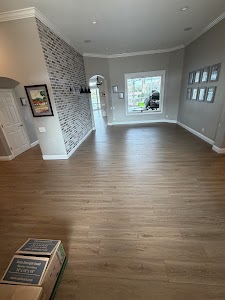
Recommended Flooring: Luxury Vinyl Plank (LVP) or Engineered Hardwood
Luxury vinyl provides excellent moisture resistance while delivering the appearance of natural wood. Engineered hardwood offers a more authentic wood feel and works well in climate-controlled spaces.
Kitchens
Recommended Flooring: Porcelain Tile
Porcelain tile resists water, stains, scratches, and heat. Wood-look porcelain tile has become especially popular because it combines the appearance of hardwood with superior moisture resistance.
Bathrooms and Laundry Rooms
Recommended Flooring: Porcelain Tile or Natural Stone
These areas experience frequent moisture exposure, making waterproof flooring essential. Textured tile surfaces can also help improve slip resistance.
Bedrooms
Recommended Flooring: Engineered Hardwood or Cork-Backed LVP
Bedrooms benefit from warmer, softer flooring materials. Both options provide comfort while maintaining good performance in Florida’s climate.
Patios and Sunrooms
Recommended Flooring: Outdoor-Rated Porcelain Tile or Sealed Concrete
These materials withstand direct sunlight, rain, humidity, and temperature fluctuations without significant deterioration.
Common Flooring Mistakes Florida Homeowners Make
Skipping Moisture Testing
Before installing flooring over concrete, always perform moisture testing. Excess slab moisture can cause flooring failure and may void manufacturer warranties.
Choosing the Wrong Underlayment
Not all underlayments provide moisture protection. Look for products that include vapor barriers or install a separate moisture barrier when necessary.
Ignoring Subfloor Preparation
Even premium flooring can fail if installed over an uneven subfloor. Proper leveling helps prevent movement, squeaks, and premature wear.
Focusing Only on Price
The least expensive flooring option isn’t always the most affordable long term. Investing in quality materials often reduces maintenance costs and extends the life of your floors.
Final Thoughts
Florida’s climate demands flooring that can withstand moisture, humidity, heat, and heavy everyday use. For most homeowners, porcelain tile and luxury vinyl plank offer the best combination of durability, water resistance, and long-term value. Engineered hardwood remains an excellent option for homeowners seeking the warmth and beauty of real wood in lower-moisture areas.
Before making a final decision, consider your home’s humidity levels, maintenance expectations, room usage, and long-term goals. Choosing the right flooring today can save you significant time, money, and frustration in the future.
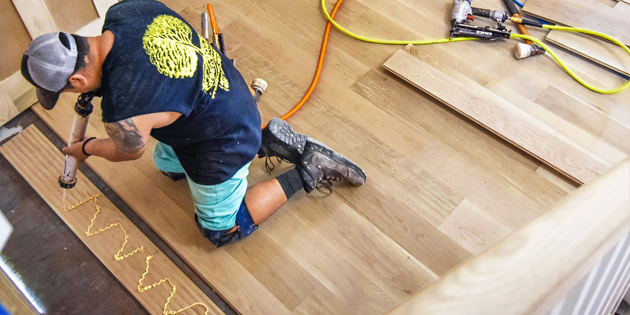
If you’re planning a flooring upgrade, Given Flooring LLC provides expert flooring installation services tailored specifically to Florida homes. Our experienced team can help you select the ideal flooring material and ensure a professional installation built to last.
Frequently Asked Questions
What is the best flooring for Florida homes?
Porcelain tile and luxury vinyl plank are generally considered the best flooring options for Florida because they offer excellent moisture resistance, durability, and low maintenance requirements.
Is laminate flooring a good choice in Florida?
Laminate flooring can work in climate-controlled areas, but it is generally less moisture-resistant than luxury vinyl or porcelain tile and may be more susceptible to swelling in humid environments.
Does luxury vinyl flooring hold up in Florida heat?
Yes. High-quality luxury vinyl flooring performs well in Florida’s climate, especially products with UV-resistant wear layers designed to minimize fading.
Can hardwood flooring be installed in Florida?
Yes, but engineered hardwood is usually a better choice than solid hardwood because it offers improved stability in humid conditions.
How long should flooring acclimate before installation?
Most flooring manufacturers recommend acclimating materials for at least 48–72 hours in the installation environment before installation begins.